
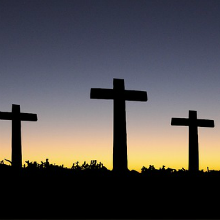




가슴을 찢는 자리에서
기억하게 하기 위하여
다윗은 이 시를 "기억하게 하기 위하여" 지었다. 잊고 싶은 것을 기억하기 위해서다. 가장 수치스러운 순간, 가장 무너진 자리, 가장 깊이 엎드렸던 그 시간을—지워버리지 않고 남겨두기 위해서다. 왜인가. 그 자리에서 하나님이 어떤 분이셨는지를 잊지 않기 위해서다. 고통은 지나가지만, 그 고통 안에서 만난 하나님은 영원하다. 다윗은 그것을 기억하기로 했다.
욕망에 속다
인간은 자신에게 속는다. 욕망이 눈을 가릴 때, 사람은 보지 못한다. 하나님의 율법이 귀에 들리지 않고, 그 앞에 선 사람이 보이지 않으며, 자신이 지금 어디로 떨어지고 있는지조차 느끼지 못한다. 마치 불나방이 자신의 파멸을 모른 채 정신없이 불로 달려가는 것이다. 그러나 영원할 것 같은 열기는 결국 식는다. 그리고 그제서야 현실이 눈에 들어온다. 하지 말았어야 할 일들이 행해졌다. 돌이킬 수 없는 일들이 어질러진 물처럼 바닥에 쏟아졌다. 아무리 철저하게 말씀으로 무장하고 경건을 위해 모든 것을 걸었던 삶이 이토록 허무하게 무너져 내렸다. 자신의 의지와 열심으로 자신을 이길 수 없었다. 이토록 잔인한 욕망이, 이토록 깊은 죄의 씨앗이 내 속에 감추어져 있었다는 것을 알고 몸서리친다. 나는 나 자신도 믿을 수 없는 존재였다.
죄가 몸으로 내려앉다
죄책은 마음에만 머물지 않는다. "주의 분노로 인하여 내 살에 성한 곳이 없으며 나의 죄로 인하여 내 뼈에 안식이 없나이다." 몸이 구부러진다. 허리가 무너진다. 심장이 헐떡거리고 눈의 빛이 사라진다. 잠을 이루지 못하고, 음식이 넘어가지 않으며, 아침이 와도 몸이 일어나지 않는다. 죄의 무게는 이렇게 살과 뼈 위에 내려앉는다. 그리고 그 무너진 몸 곁에, 아무도 없다. 사랑하는 자들과 친구들은 상처를 멀리한 채 서 있고, 그토록 다정하던 사람들이 증오의 얼굴로 돌아선다. 사랑의 속삭임은 가시 돋친 말들로 바뀌고, 가장 가깝던 친구가 원수가 된다. 죄는 몸을 무너뜨리고, 관계를 무너뜨리며, 설 자리를 모두 빼앗아간다. 기댈 곳이 없다는 사실이, 죄의 무게 위에 또 하나의 무게로 얹힌다.
깨어진 관계
그토록 다정하게 속삭이던 사람이, 욕망이 식었을 때 증오의 얼굴로 돌아선다. 사랑의 속삭임은 가시 돋친 말들로 바뀌고, 그토록 가깝던 친구가 원수가 된다. 그제서야 깨닫는다. 사람을 의지하던 것이 얼마나 무익한지를. 그러나 그 깨달음은 위로가 아니다. 더 깊은 고독이다. 기댈 곳이 없다는 사실이, 죄의 무게 위에 또 하나의 무게로 얹힌다.
신앙의 자리가 더 무겁다
그런데 더 무서운 것이 있다. 정신이 들면서 떠오르는 것—그것은 하나님의 얼굴이다. 입술로 수없이 그 이름을 불렀던 자가, 바로 그 하나님 앞에서 이 짓을 했다는 사실이 의식을 강타한다. 황망하다. 당혹스럽다. 어찔할 바를 모르는 두려움이 온몸을 덮친다. 세상 사람의 죄는 율법을 어긴 것이지만, 신앙인의 죄는 사랑을 배신한 것이다. 그 차이가 고통의 깊이를 전혀 다른 차원으로 만든다. 다윗은 이스라엘의 왕이었다. 하나님의 이름을 가장 높이 들어야 할 자리에 있던 자였다. 그 자리가 죄를 더 뼈아프게 만든다. 차라리 왕이 아니었더라면. 차라리 그 이름을 그토록 자주 부르지 않았더라면. 그러나 그것은 이루어질 수 없는 탄식이다. 현실에는 오직 하나님 앞에 섰다는 황망함과, 그 앞에 엎드릴 수밖에 없는 간절함만이 남아 있다.
숨겨야 하는가? 그럴 수 없다! 그러나 이 견딜 수 없는 고통은 무엇인가?
정신이 든 자는 이제 혼자다. 사랑하는 자들과 친구들은 상처를 멀리한 채 서 있고, 대적들은 올가미를 놓으며 기회를 엿본다. "내 사랑하는 자들과 내 친구들이 내 상처를 멀리한 채 서 있으며 내 친척들도 멀리 떨어져 섰나이다." 이 죄를 누구에게 말할 수 있겠는가. 말하는 순간 모든 것이 무너진다. 그러나 말하지 않으면 이 무게를 혼자 감당해야 한다. 그 사이에서 사람은 긴 밤을 보낸다. 뒤척이다 눈을 뜨면 어둠이고, 어둠 속에서 다시 그 장면이 떠오른다. 게다가 원수들은 활기가 넘친다. 선을 악으로 갚는 자들이 기세등등하다. 나는 회개하려 하는데, 세상은 나를 짓밟으려 한다. 억울하다. 그러나 그 억울함을 호소할 자리도 없다. 아무도 없다. 아무에게도 말할 수 없다. "나는 귀먹은 자같이 듣지 아니하고 말 못하는 자같이 입을 열지 아니하였나이다." 인간을 향한 말문이 완전히 닫혔다. 그 침묵 속에서 단 하나의 소리만 남는다. 아무도 듣지 못하지만, 하나님만은 들으시는 그 신음—"[주]여, 나의 모든 소원이 주 앞에 있사오며 나의 신음하는 것이 주께 감추어지지 아니하였나이다."
그럼에도 하나님께로 향하다
바로 그 자리에서 다윗은 하나님을 향해 돌아선다. 자랑스러운 모습으로가 아니다. 해명할 말을 갖추어서도 아니다. 오직 찢어지는 가슴을 안고, 그 고통 그대로 하나님 앞에 선다. 다윗이 드리는 것은 설명이 아니다. 자백이다. "내가 내 불법을 밝히 드러내고 내 죄로 인하여 슬퍼하리이다." 이 자백은 상황이 나아졌기 때문에 나온 것이 아니다. 원수들은 여전히 활기가 넘치고, 고통은 여전히 그 앞에 있다. 그럼에도 다윗은 하나님 앞에 엎드린다. 그리고 마침내 한 마디가 터져 나온다. "오 {주}여, 나를 버리지 마소서. 오 나의 [하나님]이여, 나를 멀리하지 마소서." 이것이 그의 전부다. 변명도, 조건도, 거래도 없다. 말로 할 수 없는 죄를 지은 자가 하나님 앞에 엎드려 드릴 수 있는 유일한 언어—오직 버리지 말아달라는 그 외침 하나다.
하나님은 들으시고 회복시키신다
이 외침이 가능한 이유는 하나뿐이다. 하나님이 은혜로우신 분이시기 때문이다. 심판만을 원하시는 분 앞에서는 "나를 버리지 마소서"라는 말조차 나올 수 없다. 그 말이 터져 나왔다는 것 자체가, 다윗이 하나님의 성품을 알았다는 증거다. 가슴을 치며 애곡하는 소리를 외면하지 않으시는 분, 회개하는 자의 기도를 들으시고 그 애곡을 회복으로 바꾸시는 분—다윗은 그 하나님께 자신의 불법을 밝히 드러냈다. "오 [주] 나의 구원이시여, 속히 나를 도우소서." 비극으로 끝날 수 있었던 이 시편이 구원의 간청으로 끝나는 것은, 하나님의 은혜가 인간의 죄보다 크다는 사실을 다윗이 알았기 때문이다. 다윗이 이것을 기억하게 하기 위하여 시를 남긴 것처럼, 오늘 그 찢어지는 고통 안에 있는 자도 기억해야 한다. 당신의 죄가 아무리 무거워도, 하나님의 은혜는 그보다 무겁다고. 당신의 부끄러움이 아무리 깊어도, 그분의 긍휼은 그보다 깊다고. 엎드려 외치라. 그 외침을 받으시는 분이 반드시 계신다.
From the Place of a Torn Heart
To Bring to Remembrance
David wrote this psalm "to bring to remembrance." He wrote it to remember what one would rather forget. It is to preserve—not erase—the most shameful moments, the most broken places, and the times of deepest prostration. Why? So that he would never forget who God was in that place. Pain passes, but the God met within that pain is eternal. David decided to remember that.
Deceived by Desire
Humans deceive themselves. When desire blinds the eyes, a person cannot see. The law of God does not reach the ears, the person standing before them is not seen, and they do not even feel where they are currently falling. It is like a moth rushing madly into a flame, unaware of its own destruction. But the heat, which seemed eternal, eventually cools. Only then does reality come into focus. Things that should not have been done have been performed. Irreversible things have spilled on the floor like scattered water. A life that was so thoroughly armed with the Word and staked everything on piety has collapsed so vainly. One could not overcome oneself with their own will and zeal. Knowing that such cruel desire, such a deep seed of sin, was hidden within causes a shudder. I was a being I could not even trust myself.
Sin Settles Upon the Body
Guilt does not remain only in the mind. "There is no soundness in my flesh because of thine anger; neither is there any rest in my bones because of my sin." The body stoops. The back collapses. The heart pants, and the light of the eyes departs. Sleep does not come, food cannot be swallowed, and even when morning arrives, the body does not rise. The weight of sin settles upon the flesh and bones in this way. And beside that collapsed body, there is no one. Loved ones and friends stand aloof from the sore, and those who were once so tender turn with faces of hatred. Whispers of love turn into thorny words, and the closest friend becomes an enemy. Sin destroys the body, destroys relationships, and strips away every place to stand. The fact that there is nowhere to lean is added as yet another weight upon the weight of sin.
Broken Relationships
The person who whispered so sweetly turns with a face of hatred when desire cools. Whispers of love turn into thorny words, and the closest friend becomes an enemy. Only then does one realize how futile it is to lean on man. But that realization is not a comfort; it is a deeper solitude. The fact that there is nowhere to lean is added as yet another weight upon the weight of sin.
The Position of Faith is Heavier
Yet, there is something even more terrifying. What comes to mind as one regains their senses—it is the face of God. The fact that one who called that name countless times with their lips has done this very thing before that God strikes the consciousness. It is devastating. It is bewildering. A dread that knows not what to do covers the whole body. The sin of a worldly person is a violation of the law, but the sin of a believer is a betrayal of love. That difference brings the depth of suffering to an entirely different dimension. David was the king of Israel. He was the one in the position to lift the name of God the highest. That position makes the sin all the more painful. If only I were not the king. If only I had not called that name so often. But that is a groan that cannot be fulfilled. In reality, only the devastation of standing before God and the desperation of having no choice but to fall prostrate before Him remain.
Should it be Hidden? It Cannot Be! But What is This Unbearable Pain?
The one who has come to their senses is now alone. Loved ones and friends stand aloof from the sore, and adversaries set snares, watching for an opportunity. "My lovers and my friends stand aloof from my sore; and my kinsmen stand afar off." To whom can this sin be told? The moment it is spoken, everything collapses. Yet, if it is not spoken, this weight must be borne alone. In between, a person spends long nights. Tossing and turning, one opens their eyes to darkness, and in that darkness, that scene rises again. Furthermore, the enemies are full of vigor. Those who render evil for good are high-spirited. I seek to repent, but the world seeks to trample me. It is unfair. But there is no place to appeal that unfairness. There is no one. It cannot be told to anyone. "But I, as a deaf man, heard not; and I was as a dumb man that openeth not his mouth." The utterance toward man is completely closed. In that silence, only one sound remains. A groan that no one else hears, but God alone hears—"Lord, all my desire is before thee; and my groaning is not hid from thee."
Nevertheless, Turning Toward God
In that very place, David turns toward God. Not with a proud appearance. Not having prepared words of explanation. Carrying only a tearing heart, he stands before God exactly as that pain is. What David offers is not an explanation. It is a confession. "For I will declare mine iniquity; I will be sorry for my sin." This confession did not come forth because the situation had improved. The enemies are still vigorous, and the pain is still before him. Nevertheless, David falls prostrate before God. And finally, a single cry bursts out. "Forsake me not, O LORD: O my God, be not far from me." This is his everything. There is no excuse, no condition, no deal. The only language that one who has committed an unspeakable sin can offer while prostrate before God—it is that one cry, pleading not to be forsaken.
God Hears and Restores
This cry is possible for only one reason: because God is a gracious God. Before one who desires only judgment, even the words "Forsake me not" could not come forth. The fact that those words burst out is proof that David knew the character of God. The One who does not ignore the sound of wailing while smiting the breast, the One who hears the prayer of the repentant and turns that wailing into restoration—David revealed his iniquity clearly to that God. "Make haste to help me, O Lord my salvation." That this psalm, which could have ended in tragedy, ends with a plea for salvation is because David knew that God’s grace is greater than human sin. Just as David left this psalm to bring it to remembrance, the one who is within that tearing pain today must also remember. No matter how heavy your sin is, God’s grace is heavier. No matter how deep your shame is, His mercy is deeper. Fall prostrate and cry out. There is surely One who receives that cry.
