
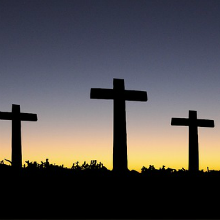




그러나, 나는 지금 신뢰합니다"
1. 세상과 내가 나에게 붙인 이름들
모든 것이 무너지고 있었습니다.
단순히 힘든 하루가 아니었습니다. 햇수가 무너지고 있었습니다.
"내가 내 생명을 고통 속에 보내며 내 햇수를 탄식 속에 보내오니 내 기력이 내 불법으로 인해 약해지고 내 뼈가 소멸되었나이다." (2연 5절)
눈이 소멸되었습니다. 혼이 소멸되었습니다. 뼈가 소멸되었습니다.
소멸이라는 단어를 주목하십시오. 한순간의 고통이 아닙니다. 서서히, 끝없이, 안에서부터 무너지는 것. 그것이 소멸입니다.
더 깊은 곳이 있습니다.
"내 기력이 내 불법으로 인해 약해지고."
외부의 적이 아닙니다. 자기 자신이 자기 고통의 원인임을 다윗은 알고 있었습니다. 원수의 공격 위에 죄책감이 덧씌워진 상태. 이것이 가장 깊은 골짜기입니다.
세상은 그 위에 이름을 더 얹었습니다.
치욕거리.
"내가 내 모든 원수들 가운데서 치욕거리가 되었으되 특히 내 이웃들 가운데서 그리되었으며 나를 아는 자들에게 두려움이 되었나니 밖에서 나를 본 자들이 나를 피해 도망하였나이다." (3연 1절)
원수에서 시작된 수치가 이웃으로, 아는 자로, 지나가는 사람에게까지 동심원처럼 번져나갔습니다.
아무도 없었습니다.
깨진 그릇.
"사람들이 죽은 자를 잊어 생각 속에 두지 아니함 같이 나를 잊었은즉 내가 깨진 그릇과 같나이다." (3연 2절)
깨진 그릇은 고쳐지지 않습니다. 고쳐질 필요조차 없습니다. 그냥 버려집니다. 아무도 기억하지 않습니다.
살아있으나 죽은 자처럼 취급받는 것 — 이것은 단순한 외로움이 아닙니다. 존재의 의미 자체가 지워지는 경험입니다.
음모의 대상.
"내가 많은 사람에게 모함을 들었사오니 두려움이 사방에 있나이다. 그들이 함께 의논하여 나를 치려 하면서 내 생명을 빼앗기로 꾀하였나이다." (3연 3절)
사방입니다. 앞도, 뒤도, 좌도, 우도. 도망갈 곳이 없습니다. 개인의 미움이 아닙니다. 조직적이고 집단적인 제거 계획입니다.
이것이 13절까지의 다윗입니다.
한 인간이 버틸 수 있는 거의 모든 종류의 고통이 한꺼번에 쏟아지고 있습니다.
혹시 이 이름들이 낯설지 않으신가요?
세상이 당신에게 붙인 이름이 있으신가요? 아니면 가장 조용한 밤, 스스로 자신에게 붙이고 있는 이름이 있으신가요?
"나는 실패자다." "나는 쓸모없다." "나는 이미 끝났다." "이것은 내 탓이다."
다윗이 거기 있었습니다.
2. 내 때가 주의 손에 있사오니
그리고 14절이 옵니다.
"그러나, 오 {주}여, 나는 주를 신뢰하며 말하기를, 주는 내 [하나님]이시니이다, 하였나이다." (3연 4절)
"그러나."
13절과 14절 사이에는 아무런 설명이 없습니다. 상황이 바뀌지 않았습니다. 고통이 사라지지 않았습니다. 원수가 물러나지 않았습니다.
그런데 갑자기 — "그러나."
이것은 논리적 전환이 아닙니다. 설명할 수 없는 도약입니다. 무너지는 사람이 무너지는 그 자리에서 방향을 바꾸는 찰나의 몸부림입니다.
그런데 여기서 솔직한 질문을 해야 합니다.
"하나님이 모든 것을 아신다면, 왜 이 고통을 이렇게 오래 두시는가?"
"내 때가 주의 손에 있다면, 왜 그 손은 이토록 조용한가?"
다윗도 이 질문을 했습니다.
"내가 황급한 중에 말하기를, 주의 눈앞에서 내가 끊어졌나이다." (5연 2절)
"끊어졌나이다."
이것은 불신앙이 아닙니다. 하나님을 향한 거룩한 절규입니다.
믿음이 깊은 사람도 하나님의 침묵 앞에서 끊어진 것 같은 느낌을 받습니다.
그 느낌을 느끼면서도 하나님을 향해 부르짖는 것 — 그것이 신앙입니다. 부르짖음 자체가 이미 신뢰입니다.
그 몸부림 끝에 다윗은 선언합니다.
"내 때가 주의 손에 있사오니 내 원수들의 손에서 나를 건지시고 나를 핍박하는 자들에게서 나를 건지소서." (3연 5절)
"내 때" — 이 말은 지금 이 위기의 순간 하나가 아닙니다.
내 인생의 모든 계절, 모든 전환점, 살면서 맞닥뜨리는 모든 결정적 순간들 전부입니다.
젊은 날의 방황과 실패의 때, 관계의 상처와 배신의 때, 건강이 무너지는 때, 사랑하는 사람을 잃는 때, 쌓아온 것들이 한순간에 무너지는 때, 노년의 외로움과 두려움의 때.
이 모든 때가 단 하나도 빠짐없이 주의 손 안에 있습니다.
그리고 이 구절에는 손이 두 번 등장합니다.
"내 때가 주의 손에 있사오니 내 원수들의 손에서 나를 건지시고."
원수의 손은 장악하고 위협합니다. 그러나 다윗은 선언합니다.
"내 모든 때의 진짜 주인은 원수가 아닙니다. 상황이 아닙니다. 나의 하나님의 손입니다."
원수들은 다윗의 시간을 완전히 장악한 것처럼 보였습니다. 그러나 보이는 것이 전부가 아니었습니다.
내 때의 진짜 주인은 따로 있었습니다.
이것이 우리에게 주는 위로입니다.
지금 당신이 맞닥뜨린 고통이 무엇이든 그것이 당신의 때를 최종적으로 결정하지 못합니다.
실패가 당신의 때를 결정하지 못합니다. 상처가 결정하지 못합니다. 병이, 가난이, 사람들의 손가락질이 당신의 모든 때를 결정하지 못합니다.
내 때가 주의 손에 있기 때문입니다.
3. 간극을 메우는 길 — 나의 하나님을 신뢰하는 것
머리로는 압니다. 내 때가 하나님의 손에 있다는 것을.
그러나 하나님의 때와 나의 때 사이의 간극은 때로 너무 멀고, 너무 깁니다.
기다림이 길어질 때 우리 안에서는 무언가가 일어납니다.
처음에는 기도합니다. 그 다음에는 조용해집니다. 그 다음에는 지칩니다. 그리고 때로는 — 하나님을 향한 원망이 올라옵니다.
이것을 억눌러야 할까요?
다윗은 억누르지 않았습니다.
"오 {주}여, 내가 고난 중에 있사오니 내게 긍휼을 베푸소서." (2연 4절)
그는 하나님께 직접 말했습니다. 고통이 너무 길다고, 긍휼이 필요하다고, 지금 당장 응답이 필요하다고.
이것이 신앙의 정직함입니다.
하나님은 우리의 정돈된 기도만 받으시는 분이 아닙니다. 우리의 날것의 절규도 받으십니다.
그 정직한 절규를 드리고 난 뒤에 다윗은 비로소 14절로 넘어갈 수 있었습니다.
회의와 분노를 정직하게 드릴 때 신뢰는 억압이 아닌 선택이 됩니다.
1) 나의 하나님은 어떤 분인가
그렇다면 이 간극을 메우는 신뢰는 어디서 오는 것입니까?
신뢰는 대상에서 옵니다. 누구를 신뢰하느냐가 신뢰의 무게를 결정합니다.
다윗이 신뢰한 분은 어떤 분이십니까?
흔들리지 않는 반석이신 분입니다.
"주는 나의 반석이시며 나의 요새시오니." (1연 3절)
내 감정이 흔들리고 내 상황이 무너지는 그 순간에도 하나님은 반석이십니다. 반석은 내 상태에 따라 변하지 않습니다.
나의 고난을 깊이 살피시는 분입니다.
"주께서 나의 고난을 깊이 살피사 역경에 처한 내 혼을 아셨으며." (2연 2절)
하나님은 멀리서 관망하시는 분이 아닙니다. 내 고난을 깊이 살피십니다. 역경에 처한 내 혼의 상태를 아십니다.
선하심을 미리 쌓아 두신 분입니다.
"오 주를 두려워하는 자들을 위하여 주께서 쌓아 두신 주의 선하심 곧 사람들의 아들들 앞에서 주를 신뢰하는 자들을 위하여 주께서 베푸신 그 선하심이 어찌 그리 큰지요!" (4연 4절)
간극의 시간 동안 하나님이 아무것도 하지 않으시는 것이 아닙니다. 선하심을 미리 쌓아 두고 계십니다. 내가 그것을 보지 못할 뿐입니다.
그리고 결정적으로 — 그분은 나의 하나님이십니다.
"주는 내 [하나님]이시니이다." (3연 4절)
"하나님이 계신다"가 아닙니다. "하나님은 선하시다"도 아닙니다.
"나의 하나님."
천지를 창조하시고 온 역사를 주관하시며 모든 때를 손에 쥐고 계신 그분이 나와 언약 관계 안으로 들어오신 것입니다.
그 언약은 내 감정에 달려 있지 않습니다. 내 상태에 달려 있지 않습니다.
다윗이 스스로를 깨진 그릇이라 느끼는 그 순간에도 언약은 끊어지지 않았습니다.
세상이 나를 치욕거리라 불러도 내가 스스로를 깨진 그릇이라 느껴도 나는 여전히 나의 하나님을 가진 자입니다.
이것이 상황이 빼앗을 수 없는 정체성입니다.
2) 그분을 신뢰한다는 것은 무엇인가
다윗이 "신뢰한다"고 할 때 그 단어는 히브리어로 바타흐(בָּטַח) 입니다.
이 단어의 뿌리가 되는 그림이 있습니다.
"몸을 앞으로 쓰러뜨리다." "없이는 서 있지 못하는 상태로 기대다."
우리가 생각하는 신뢰는 마음으로 동의하는 것, 머리로 이해하는 것입니다.
그러나 다윗의 신뢰는 달랐습니다.
기대지 않으면 쓰러지는 상태에서 자신의 온 무게를 던지듯 기대는 것. 그것이 신뢰입니다.
절벽 앞에 선 등산가를 생각해 보십시오. 그는 로프를 분석하지 않습니다. 로프의 강도를 계산해서 의지하는 것이 아닙니다.
로프 없이는 서 있을 수 없기 때문에 자신의 전체 무게를 그 위에 던집니다.
예수님이 말씀하십니다.
"수고하고 무거운 짐 진 자들아, 다 내게로 오라, 내가 너희를 쉬게 하리라." (마태복음 11:28)
쉼은 내가 만들어 내는 것이 아닙니다. 상황이 바뀌어야 오는 것도 아닙니다.
짐을 맡길 때 옵니다.
내가 들고 있는 짐을 그분께 올려놓는 것, 그것이 내려놓음이고 그것이 쉼입니다.
상황은 바뀌지 않았습니다. 그러나 짐을 맡기는 순간 나는 쉴 수 있습니다. 나는 평안할 수 있습니다.
3) 신뢰는 지금, 현재형으로 — 그리고 반복으로
다윗의 고백에서 "신뢰하며"는 현재형입니다.
신뢰했습니다가 아닙니다. 언젠가 신뢰하겠습니다도 아닙니다.
지금, 이 고통의 한가운데서, 신뢰합니다.
고통도 지금이고 수치도 지금이고 원망도 지금인데 신뢰도 — 지금입니다.
고통과 신뢰가 같은 시간 안에 존재합니다. 이것이 다윗의 믿음이었습니다.
그리고 이 현재형 신뢰는 한 번의 결단으로 끝나지 않습니다.
우리는 맡겼다가 다시 집어들고 신뢰했다가 다시 흔들리고 평안을 얻었다가 다시 무너집니다.
그래도 괜찮습니다.
다윗도 그랬습니다. 시편 내내 탄식했다가 신뢰하고 신뢰했다가 다시 탄식했습니다. 그러면서 자꾸 하나님께 나아갔습니다.
그리고 마침내 이렇게 노래합니다.
"{주}를 찬송할지어다. 내가 황급한 중에 말하기를, 주의 눈앞에서 내가 끊어졌나이다, 하였으나 그럼에도 불구하고 내가 주께 부르짖을 때에 나의 간구 소리를 주께서 들으셨나이다." (5연 1-2절)
황급한 중에 끊어졌다고 느꼈던 자가 찬송하는 자가 되었습니다.
끊어진 느낌과 찬송 사이에 있는 것은 기적이 아닙니다.
자꾸 나아가는 것, 자꾸 맡기는 것, 자꾸 현재형으로 고백하는 것 —
그 반복이 신앙이고 그 인내가 연습이며 그 연습이 하나님의 때를 기다리는 길입니다.
오늘 이 묵상을 마치며 시편 기자의 권면으로 마무리합니다.
"{주}께 소망을 둔 모든 자들아, 너희는 크게 용기를 내라. 그분께서 너희 마음을 강하게 하시리로다." (5연 4절)
용기를 내는 것이 먼저가 아닙니다. 소망을 주께 두는 것이 먼저입니다. 주께 소망을 둘 때 그분께서 마음을 강하게 하십니다.
"주여, 저는 지금 끊어진 것 같습니다. 깨진 그릇 같습니다. 그러나 — 나는 지금 주를 신뢰합니다. 주는 나의 하나님이십니다. 내 모든 때가 주의 손 안에 있습니다."
상황은 오늘도 그대로일 수 있습니다. 간극은 아직 좁혀지지 않았을 수 있습니다.
그러나 그 고백을 드리는 순간 당신은 이미 깨진 그릇이 아닙니다.
나의 하나님께 온 무게를 기댄 자, 내 모든 때를 그분의 손에 맡긴 자입니다.
But I Trust in Thee
Everything was crumbling. It wasn’t just a bad day; years were collapsing.
"For my life is spent with grief, and my years with sighing: my strength faileth because of mine iniquity, and my bones are consumed." (Psalm 31:10)
Notice the word "consumed." It is not a sudden, sharp pain. It is a slow, endless eroding from within. His eyes, his soul, his bones—all being wasted away.
But there is a deeper layer: "My strength faileth because of mine iniquity." It wasn't just external enemies; David knew he was the source of his own suffering. When the weight of guilt is layered over the attacks of an enemy, that is the deepest valley of all.
On top of this, the world branded him with names:
-
A Reproach:
"I was a reproach among all mine enemies, but especially among my neighbours, and a fear to mine acquaintance: they that did see me without fled from me." (Psalm 31:11) Shame radiates outward like a ripple in a pond—from enemies to neighbors, to acquaintances, to strangers on the street. No one was left.
-
A Broken Vessel:
"I am forgotten as a dead man out of mind: I am like a broken vessel." (Psalm 31:12) A broken vessel cannot be fixed; it isn't even worth fixing. It is simply thrown away and forgotten. To be treated like a dead man while still alive is more than loneliness—it is the erasure of one's very existence.
-
The Target of Conspiracy:
"For I have heard the slander of many: fear was on every side: while they took counsel together against me, they devised to take away my life." (Psalm 31:13) Fear is everywhere—front, back, left, and right. It wasn't just personal hatred; it was an organized, systematic plan to eliminate him.
This is David up to verse 13. Every kind of suffering a human can endure is pouring down at once.
Do these names sound familiar to you? Is there a name the world has pinned on you? Or a name you whisper to yourself in the dead of night? "I am a failure." "I am useless." "It's all over." "This is my fault." David was right there, standing exactly where you are.
2. My Times are in Thy Hand
Then comes verse 14.
"But I trusted in thee, O LORD: I said, Thou art my God." (Psalm 31:14)
"But." There is no explanation between verse 13 and 14. The situation hasn't changed. The pain hasn't vanished. The enemies haven't retreated. Yet, suddenly—"But." This is not a logical transition. It is an inexplicable leap. It is the momentary struggle of a collapsing person turning their direction in the midst of the fall.
But we must ask the honest question: "If God knows everything, why does He leave me in this pain for so long? If my times are in His hand, why is that hand so silent?"
David asked this too:
"For I said in my haste, I am cut off from before thine eyes..." (Psalm 31:22)
To feel "cut off" is not a lack of faith. It is a holy cry. Even those with the deepest faith feel as though they are severed from God in the silence. Crying out to God while feeling cut off—that is faith. The cry itself is already trust.
In the midst of that struggle, David declares:
"My times are in thy hand: deliver me from the hand of mine enemies, and from them that persecute me." (Psalm 31:15)
"My times"—this doesn't refer to just one moment of crisis. It encompasses every season of life, every turning point, and every decisive moment we face.
The wandering and failures of youth, the scars of betrayal, the collapse of health, the loss of loved ones, the sudden crumbling of what we built, and the loneliness of old age. Every single "time," without exception, is in His hand.
Look closely at verse 15; the word "hand" appears twice: "My times are in thy hand... deliver me from the hand of mine enemies."
The hand of the enemy seizes and threatens. It looked as though the enemies had total control over David's time. But what was visible was not the whole truth. The true Master of his time was someone else.
This is our comfort: whatever pain you are facing today, it does not get the final say over your "time." Failure does not define your time. Trauma does not define your time. Sickness, poverty, or the pointing fingers of others cannot dictate your entire life. Because your times are in the Lord's hand.
3. Bridging the Gap — Trusting "My God"
We know in our heads that our times are in God's hands. But the gap between God’s timing and our timing feels so vast and so long. When the waiting stretches out, something happens inside us. We pray, then we go quiet, then we get weary, and sometimes—resentment toward God rises up.
Should we suppress this? David didn’t.
"Have mercy upon me, O LORD, for I am in trouble..." (Psalm 31:9)
He spoke directly to God. He said the pain was too long, that he needed mercy, that he needed an answer now. This is the honesty of faith. God doesn't just receive our polished prayers; He receives our raw screams. Only after offering that honest cry could David move to verse 14. When we bring our doubt and anger to Him honestly, trust becomes a choice, not an obligation.
1) Who is "My God"?
Trust depends on its object. Who is the One David trusts?
-
The Unshakable Rock: "For thou art my rock and my fortress" (vs 3). A rock does not change based on my feelings or my situation.
-
The One who gazes deeply: "Thou hast considered my trouble; thou hast known my soul in adversities" (vs 7). God is not a distant observer. He knows the state of your soul in the thick of the storm.
-
The One who stores up goodness: "Oh how great is thy goodness, which thou hast laid up for them that fear thee" (vs 19). God isn't doing nothing during the "gap." He is laying up goodness for you that you simply cannot see yet.
Most importantly: "Thou art my God." Not just "a God exists," but "My God." The Creator of the universe has entered into a covenant with you. That covenant does not depend on your emotions or your worthiness. Even when David felt like a broken vessel, the covenant was not broken.
2) What does it mean to "Trust"?
The Hebrew word for trust is Batah (בָּטַח). It carries a specific image: "to lean one’s entire weight forward." It describes a state where you cannot stand unless you are leaning on something.
Think of a mountain climber. He doesn't just "analyze" the rope. He doesn't just "agree" the rope is strong. Because he cannot stay on the cliff without it, he throws his entire weight onto it.
Jesus says:
"Come unto me, all ye that labour and are heavy laden, and I will give you rest." (Matthew 11:28)
Rest isn't something you manufacture. It doesn't come because the situation changed. It comes when you transfer the weight. #### 3) Trust is Present Tense — and a Practice In David’s confession, "trust" is in the present tense. Not "I trusted," or "I will trust one day." "But I trust in thee... now."
The pain is now, the shame is now, the resentment is now—but the trust is also now. They exist in the same moment. This present-tense trust is not a one-time decision. We hand over the burden, then pick it back up. We trust, then we tremble.
That is okay. David did the same. Throughout the Psalms, he oscillates between agony and trust. He kept coming back to God.
"Blessed be the LORD... For I said in my haste, I am cut off from before thine eyes: nevertheless thou heardest the voice of my supplications when I cried unto thee." (Psalm 31:21-22)
Between the feeling of being "cut off" and the "song of praise," there is no magic trick. There is only the continual turning. Turning back, handing it over again, confessing in the present tense—that is the "practice" of faith.
Let us conclude with the psalmist's exhortation:
"Be of good courage, and he shall strengthen your heart, all ye that hope in the LORD." (Psalm 31:24)
Courage does not come first. Hoping in the Lord comes first. When you place your hope in Him, He strengthens your heart.
Try confessing this quietly today: "Lord, I feel cut off. I feel like a broken vessel. But I trust in Thee now. Thou art my God. My times—past, present, and future—are in Thy hand."
The situation may be the same today. The gap may not have closed yet. But the moment you make that confession, you are no longer a broken vessel. You are one who leans their entire weight on God. You are one whose "times" are held by the only Hand that truly matters.