
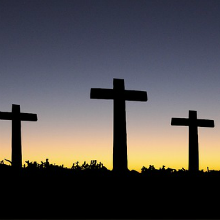




공동체는 어디에서 무너지는가?
본문: 예레미야 40–43장
예루살렘이 무너졌습니다. 성전도 무너졌고 왕국도 끝났습니다. 바벨론은 유다 땅에 총독을 세웁니다. 그 사람이 바로 그달리야(그달랴)입니다. 그달리야는 남은 백성들에게 말합니다.
“갈대아 사람들 섬기기를 두려워하지 말고 이 땅에 거하면서 바빌론 왕을 섬기라. 그리하면 너희가 잘되리라.” (렘 40:9)
사람들은 다시 살아갈 희망을 조금씩 찾기 시작했습니다. 그러나 공동체는 밖에서 무너지지 않았습니다. 안에서 무녀졌습니다.
1. 그달리야 – 하나님께 묻지 않았습니다
어느 날 군대 장관 요하난이 그달리야를 찾아옵니다. 그는 매우 중요한 정보를 전합니다.
“암몬 족속의 왕 바알리스가 너를 죽이려고 느다냐의 아들 이스마엘을 보낸 것을 네가 확실히 아느냐?” (렘 40:14)
심지어 요하난은 은밀히 덧붙입니다.
“내가 느다냐의 아들 이스마엘을 죽이리니 아무도 그것을 알지 못하리라. 어찌하여 그가 너를 죽이게 하며 이로써 네게 모인 유대인들이 흩어지게 하고 유다 안의 남은 자들이 망하게 하겠느냐?” (렘 40:15)
그러나 그달리야는 이 말을 믿지 않습니다.
“너는 이 일을 행하지 말라. 네가 이스마엘에 대하여 거짓으로 말하느니라.” (렘 40:16)
그달리야는 사람을 믿었습니다. 의심하지 않는 넓은 마음처럼 보일 수도 있습니다. 그러나 성경을 자세히 보면 그에게 치명적인 한 가지가 없습니다. 하나님께 묻지 않았습니다. 결국 이스마엘은 동료들과 함께 찾아와 빵을 먹던 자리에서 칼을 꺼내어 그달리야를 죽입니다(렘 41:1-2).
2. 요하난 – 말씀을 듣지 않았습니다
총독이 죽자 상황은 급격히 악화됩니다. 요하난은 이렇게 판단합니다.
-
총독이 죽었다
-
바벨론이 분노할 것이다
-
우리는 보복을 당할 것이다
사실 인간적으로 보면 요하난의 판단이 맞았습니다. 바벨론 제국이 직접 세운 총독이 암살되었으니, 그들이 가만있지 않을 것이 뻔했습니다. 그 끔찍한 분노와 보복을 피하기 위해 이집트(애굽)로 도망치는 것은 당시 그들이 취할 수 있는 가장 합리적인 선택이었습니다.
그러나 아무리 다급한 위기 속에서도 우리의 합리성보다 앞서야 할 것은 하나님의 말씀이었습니다. 요하난과 백성들도 그것을 알았기에, 먼저 대언자 예레미야에게 와서 말합니다.
“청하건대 당신 앞에서 드리는 우리의 간구를 받으시고 우리 곧 이 모든 남은 자를 위해 {주} 당신의 [하나님]께 기도하소서… 우리가 당신을 {주} 우리 [하나님]께 보내오니 일이 좋든지 나쁘든지 우리가 그분의 음성에 순종하리이다. 우리가 {주} 우리 [하나님]의 음성에 순종하면 잘되리이다.” (렘 42:2, 6)
그런데 하나님은 즉시 말씀하지 않으셨습니다.
“열흘 뒤에 {주}의 말씀이 예레미야에게 임하니” (렘 42:7)
하나님은 10일 후에 응답하셨습니다. 그리고 말씀하십니다.
왜 10일 후에 응답하셨을까요? 그 10일 동안 이 사람들의 마음에 무슨 일이 일어났을까요?
처음에는 이렇게 생각했을 것입니다. “하나님 뜻대로 해야지…” 그런데 하루가 지나고, 이틀이 지나고, 시간이 길어질수록
다른 생각이 올라옵니다. “아니야… 이건 너무 위험하다” “이건 말이 안 된다” “이집트로 가는 게 맞다” 기다림 속에서 우리의 마음은 하나로 모아지지 않습니다. 오히려 둘로 갈라집니다. 하나님을 신뢰하려는 마음과 현실을 붙잡으려는 마음이
계속 충돌합니다. 그리고 시간이 지날수록 우리는 하나님 쪽으로 기울어지는 것이 아니라 내가 원하는 쪽으로 점점 더 기울어집니다. 그래서 10일은 단순히 기다리는 시간이 아니라 우리 마음의 방향이 드러나는 시간입니다. 기다림은 우리를 중립 상태에 두지 않습니다. 기다림은 우리를 하나님 쪽이든, 세상 쪽이든 한쪽으로 기울게 만듭니다. 그래서 결국 하나님의 말씀이 임했을 때 순종하지 못하는 것이 아니라 이미 순종할 수 없는 상태가 되어버리는 것입니다.
“만일 너희가 여전히 이 땅에 머무르고자 하면 내가 너희를 세우고 헐지 아니하며… 너희는 너희가 두려워하는 바빌론 왕을 두려워하지 말라. 내가 너희와 함께하여 너희를 구원하고 너희를 그의 손에서 건지리니 그를 두려워하지 말라.” (렘 42:10-11)
그러나 요하난은 그 말씀을 듣고도 거부합니다.
“네가 거짓을 말하는도다. 우리 하나님 여호와께서 너희는 이집트에 거류하려고 그리로 가지 말라고 너를 보내어 말하게 하지 아니하셨느니라.” (렘 43:2)
우리의 불순종은 종종 여기서 시작됩니다. 하나님이 말씀하지 않아서가 아니라 내 생각이 버리지 못할 때 우리의 불순종이 시작됩니다.
3. 백성 – 말씀을 믿지 않았습니다
결국 요하난과 백성은 하나님의 말씀을 거부합니다. 그리고 이집트로 내려갑니다(렘 43:7). 성경에서 이집트는 단순한 나라가 아닙니다. 이집트는 종종 하나님 없이도 안전하다고 느끼는 곳을 상징합니다.
그래서 우리는 이렇게 질문할 수 있습니다. 우리에게 이집트는 무엇입니까? * 돈일 수도 있고
-
인맥일 수도 있고
-
안정된 직장일 수도 있습니다.
문제는 그것들이 아니라 우리가 그것을 하나님보다 더 의지할 때입니다. 그때 그것이 우리의 이집트가 됩니다.
4. 이 사건의 핵심
이 사건을 정리하면 이렇게 됩니다.
-
그달리야는 하나님께 묻지 않았습니다.
-
요하난은 하나님의 말씀을 요청하고도 듣지 않았습니다.
-
백성은 하나님의 말씀을 듣고도 믿지 않았습니다.
요컨대 아무도 하나님을 더 믿지 않았습니다. 그래서 공동체는 밖에서가 아니라 안에서 무너졌습니다.
5. 그달리야 금식일
유대인들은 이 사건을 잊지 않았습니다. 그들은 총독 그달리야가 죽은 날(일곱째 달)을 금식일로 기억합니다(슥 7:5, 8:19 참조). 그들은 이 날을 통해 이렇게 고백합니다.
“나라가 무너진 이유는 단순히 바벨론 때문이 아니었다. 하나님을 더 신뢰하지 못했던 우리의 믿음 때문이었다.”
6. 우리의 적용
사랑하는 여러분, 오늘 우리는 스스로에게 질문해야 합니다.
-
나는 중요한 결정을 할 때 정말 하나님께 묻고 있는가?
-
나는 하나님의 말씀을 들을 때 내 생각보다 말씀을 더 신뢰하는가?
-
나는 위기의 순간에 이집트가 아니라 하나님을 향하고 있는가?
하나님은 지금도 말씀하십니다. “두려워하지 말라. 내가 너희를 건지리라.” 문제는 하나님이 말씀하지 않는 것이 아니라 우리가 하나님을 더 믿지 않는 것입니다.
우리는 늘 본문의 유다 백성들처럼 자주 묻지 않고, 듣지 않고, 믿지 못하는 연약한 존재들입니다. 눈앞의 현실이 너무 두려워 합리적인 핑계를 대며 이집트로 도망치려 합니다.
하지만 은혜의 하나님은 이런 우리를 결코 포기하지 않으십니다. 우리의 실패와 불순종에도 불구하고, 이집트까지 찾아가셔서 끝까지 말씀하시며 다시 생명의 길로 부르시는 분이 바로 우리 아버지이십니다. 그 신실하신 하나님의 덮어주시는 사랑을 의지하여, 오늘 다시 한번 이집트가 아닌 하나님께로, 내 생각과 두려움이 아닌 말씀으로 돌이키는 우리 모든 공동체가 되기를 간절히 소망합니다.
Where Does a Community Collapse?
Jerusalem has fallen. The temple has collapsed, and the kingdom has come to an end. Babylon appoints a governor over the land of Judah. That man is Gedaliah. Gedaliah speaks to the remaining people:
"Fear not to serve the Chaldeans: dwell in the land, and serve the king of Babylon, and it shall be well with you." (Jeremiah 40:9)
The people began to find a little hope to live again. However, the community did not collapse from the outside. It collapsed from within.
1. Gedaliah – He did not ask God
One day, Johanan, a captain of the forces, comes to Gedaliah. He brings very important information:
"Dost thou certainly know that Baalis the king of the Ammonites hath sent Ishmael the son of Nethaniah to slay thee?" (Jeremiah 40:14)
Johanan even secretly adds:
"Let me go, I pray thee, and I will slay Ishmael the son of Nethaniah, and no man shall know it: wherefore should he slay thee, that all the Jews which are gathered unto thee should be scattered, and the remnant in Judah perish?" (Jeremiah 40:15)
But Gedaliah does not believe this.
"Thou shalt not do this thing: for thou speakest falsely of Ishmael." (Jeremiah 40:16)
Gedaliah trusted man. It might look like a broad, unquestioning heart. However, looking closely at the Bible, he lacked one fatal thing: He did not ask God. Eventually, Ishmael and his companions came, and while they were eating bread together, they drew their swords and slew Gedaliah (Jeremiah 41:1-2).
2. Johanan – He did not listen to the Word
When the governor died, the situation rapidly worsened. Johanan judged the situation like this:
-
The governor is dead.
-
Babylon will be furious.
-
We will suffer retaliation.
Humanly speaking, Johanan's judgment was correct. Since the governor appointed directly by the Babylonian empire was assassinated, it was obvious they would not sit idle. To escape that terrible wrath and retaliation, fleeing to Egypt was the most rational choice they could make at the time.
However, no matter how urgent the crisis, the Word of God must precede our rationality. Knowing this, Johanan and the people first came to the prophet Jeremiah and said:
"Let, we beseech thee, our supplication be accepted before thee, and pray for us unto the LORD thy God, even for all this remnant... Whether it be good, or whether it be evil, we will obey the voice of the LORD our God, to whom we send thee; that it may be well with us, when we obey the voice of the LORD our God." (Jeremiah 42:2, 6)
But God did not speak immediately.
"And it came to pass after ten days, that the word of the LORD came unto Jeremiah." (Jeremiah 42:7)
God answered after 10 days. Why did He answer after 10 days? What happened in the hearts of these people during those 10 days?
At first, they probably thought: "We must do according to God's will..." But as one day passed, then two, and the time grew longer, other thoughts arose: "No... this is too dangerous." "This makes no sense." "Going to Egypt is the right thing to do." In the midst of waiting, our hearts do not gather into one. Rather, they split in two. The desire to trust God and the desire to cling to reality constantly collide. And as time passes, we do not lean toward God, but increasingly lean toward what we desire. Therefore, the 10 days are not simply a time of waiting, but a time when the direction of our hearts is revealed. Waiting does not leave us in a neutral state. Waiting makes us lean to one side—either toward God or toward the world. So ultimately, when the Word of God comes, it is not that they cannot obey, but that they have already become unable to obey.
"If ye will still abide in this land, then will I build you, and not pull you down... Be not afraid of the king of Babylon, of whom ye are afraid; be not afraid of him, saith the LORD: for I am with you to save you, and to deliver you from his hand." (Jeremiah 42:10-11)
But upon hearing that Word, Johanan rejects it:
"Thou speakest falsely: the LORD our God hath not sent thee to say, Go not into Egypt to sojourn there:" (Jeremiah 43:2)
Our disobedience often starts right here. Not because God does not speak, but when we cannot let go of our own thoughts—that is when our disobedience begins.
3. The People – They did not believe the Word
In the end, Johanan and the people reject the Word of God. And they go down to Egypt (Jeremiah 43:7). In the Bible, Egypt is not just a country. Egypt often symbolizes a place where we feel safe even without God.
So we can ask this question: What is our Egypt?
-
It could be money.
-
It could be personal connections.
-
It could be a stable job.
The problem is not those things themselves, but when we rely on them more than God. That is when it becomes our Egypt.
4. The Core of This Incident
To summarize this incident:
-
Gedaliah did not ask God.
-
Johanan asked for God's word but did not listen.
-
The people heard God's word but did not believe.
In short, no one trusted God anymore. That is why the community collapsed—not from the outside, but from within.
5. The Fast of Gedaliah
The Jews did not forget this incident. They remember the day Governor Gedaliah died (in the seventh month) as a day of fasting (cf. Zechariah 7:5, 8:19). Through this day, they confess:
"The reason the nation collapsed was not simply because of Babylon. It was because of our faith that failed to trust God more."
6. Our Application
Beloved, today we must ask ourselves:
-
When I make important decisions, am I truly asking God?
-
When I hear the Word of God, do I trust the Word more than my own thoughts?
-
In moments of crisis, am I turning to Egypt, or to God?
God is still speaking today: "Fear not. I will deliver you." The problem is not that God isn't speaking, but that we do not believe God more.
We are weak beings who, like the people of Judah in the text, frequently fail to ask, fail to listen, and fail to believe. Because the reality before our eyes is so terrifying, we make rational excuses and try to flee to Egypt.
Yet, the God of grace never gives up on us. Despite our failure and disobedience, He is our Father who comes all the way to Egypt to continue speaking to us, calling us back to the path of life. Relying on that faithful, covering love of God, I earnestly hope that our entire community will once again turn not to Egypt, but to God—not to our own thoughts and fears, but to His Word.