
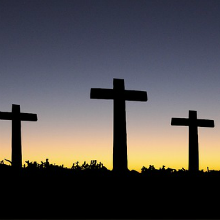




제목: 역사를 주관하시는 하나님
Ⅰ. 말씀으로 다스리시는 하나님 (v.1–6)
우리는 때로 강대국의 지도자들이 세상을 움직인다고 생각합니다. 그러나 성경은 분명히 말합니다. 하나님께서 말씀으로 세상을 다스리십니다.
예레미야의 사역은 바로 그 “말씀 통치”의 대표적인 예입니다.
1) 예레미야의 말씀 사역 기간 (v.3)
“유다 왕 아몬의 아들 요시야의 제십삼년부터 이 날 곧 제이십삼년까지 여호와의 말씀이 내게 임하였으므로 내가 너희에게 일찍 일어나 말하고 말하였으나 너희가 귀를 기울이지 아니하였도다.” (렘 25:3)
요시야 왕 제13년(BC 627)부터 제23년(BC 604)까지, 약 23년 동안 예레미야는 하나님의 말씀을 꾸준히 선포했습니다.
이 기간은 단순한 세월이 아니라, 하나님께서 오랜 시간 동안 끊임없이 말씀하셨다는 증거입니다.
2) “일찍 일어나”의 의미 – 부지런한 하나님의 경고 (v.4)
히브리어 hashkem (“일찍 일어나다”)은 ‘부지런함, 반복, 꾸준함’을 의미합니다.
즉, 하나님은 우리보다 먼저 깨어 말씀하시는 분이십니다.
“너희 조상들이 애굽에서 나온 날부터 오늘까지 내가 내 종 선지자들을 날마다 부지런히 보내었으나 그들이 듣지 아니하였다.” (렘 7:25)
하나님은 한 번이 아니라 끊임없이 경고하시며 회개의 기회를 주셨습니다.
그러므로 백성이 듣지 않은 것은 무지 때문이 아니라 불순종의 결과입니다.
3) “보내시고 보내셨다” – 반복의 강조
히브리 문체에서 반복은 강조의 수단입니다.
“보내시고 보내셨다”는 표현은 하나님께서 충분히, 여러 번 경고하셨음을 뜻합니다.
이는 곧 하나님의 은혜의 충분성과 심판의 정당성을 보여줍니다.
4) 말씀의 내용 (v.5–6)
“너희는 각기 악한 길과 행위를 버리고 여호와께 돌아오라… 다른 신들을 따라가지 말라.”
하나님의 말씀은 단순하고 분명합니다.
-
회개를 촉구하고
-
우상 숭배를 금하며
-
순종할 때 회복을 약속하십니다.
그러므로 아무도 “몰랐다”라고 변명할 수 없습니다.
하나님은 언제나 말씀으로, 그리고 말씀을 맡은 종들을 통해 세상을 통치하십니다.
Ⅱ. 섭리로 주관하시는 하나님 (v.7–11 / 슥 1:18–21 / 스 1:1–3 / 단 2:37–38 / 사 45:1)
하나님은 말씀뿐 아니라 역사 속 사건을 통해서도 통치하십니다.
1) 느부갓네살 – 심판의 도구
“내 종 바벨론 왕 느부갓네살의 손에 주었노라.” (렘 27:6)
‘내 종’(히브리어 아브디, עַבְדִּי)은 하나님의 뜻을 수행하는 도구를 뜻합니다.
하나님은 이방의 왕조조차 당신의 계획 속에서 사용하십니다.
“왕이여, 왕은 여러 나라와 권세와 능력을 하늘의 하나님께로부터 받으셨나이다.” (단 2:37–38)
느부갓네살은 유다의 죄악을 심판하기 위한 하나님의 도구였습니다.
그의 세력조차 하나님의 주권 아래 있었습니다.
2) 고레스 – 회복의 도구
“여호와께서 예레미야의 입으로 하신 말씀을 이루시려고 바사 왕 고레스의 마음을 감동시키시매…” (스 1:1–3)
하나님은 고레스의 마음을 감동시켜 포로 귀환과 성전 재건을 이루셨습니다.
이방 왕이라도 하나님의 섭리에서 벗어날 수 없습니다.
“내가 나의 기름부음 받은 자 고레스를 오른손으로 붙들고…” (사 45:1)
느부갓네살은 심판의 도구였고, 고레스는 회복의 도구였습니다.
역사 속 모든 왕국이 결국 하나님의 주권을 드러내는 수단이 됩니다.
3) 스가랴의 뿔과 목수 환상
“그것들은 유다와 예루살렘을 흩은 뿔들이라… 또 여호와께서 내게 목수 네 사람을 보이시니…” (슥 1:18–21)
‘뿔들’은 하나님의 백성을 흩은 열방의 세력을,
‘목수들’은 하나님이 보내신 회복의 도구를 상징합니다.
예레미야가 예언한 70년이 지나 스가랴 시대에 이르기까지,
하나님은 여전히 심판과 회복을 조율하시며 역사를 섭리하셨습니다.
하나님은 이스라엘을 징계하시기 위해 왕국을 세우시고,
그들의 악을 징계하기 위해 또 다른 왕국을 일으키십니다.
이처럼 하나님은 모든 나라와 권력의 흐름 속에서 섭리로 세상을 다스리십니다.
Ⅲ. 약속을 이루시는 하나님 (v.12–14)
하나님은 자신의 말씀을 반드시 이루십니다.
예레미야의 70년 포로 예언은 단지 한 민족의 비극이 아니라, 하나님의 약속 성취의 역사적 증거입니다.
1) 70년 포로의 두 관점
예레미야가 예언한 “칠십 년 포로”(렘 25:11)는 단순한 기간 계산이 아니라,
하나님의 말씀 성취와 역사적 섭리를 드러내는 상징적 기간입니다.
성경학자들은 이 70년을 두 가지 시각에서 이해합니다.
① 포로 전체 기간으로 보는 견해
첫 번째 견해는 바벨론 포로 생활 전체를 70년으로 보는 것입니다.
즉, BC 605년, 느부갓네살이 예루살렘을 처음 침공하던 때부터
BC 536년, 페르시아 왕 고레스가 귀환을 허락할 때까지 약 70년간을 가리킵니다.
이 관점은 포로의 시작부터 끝까지를 모두 포함하여
하나님의 심판과 회복이 함께 완성된 기간으로 이해합니다.
즉, 하나님께서 예언하신 대로 심판을 행하시고,
그 끝에서 회복을 주셨다는 점을 강조합니다.
가장 널리 받아들여지는 해석입니다.
② 성전을 중심으로 보는 견해
두 번째 견해는 성전 중심의 관점입니다.
이 해석은 BC 586년 성전이 무너진 시점부터
BC 516년 스룹바벨 성전이 완공된 때까지 약 70년으로 계산합니다.
이 견해는 단순한 포로 기간보다 **‘성전 회복’**에 초점을 둡니다.
즉, 하나님께서 심판으로 무너뜨리신 성전을
다시 세우심으로써 회복의 약속을 성취하셨다는 신학적 의미를 강조합니다.
결국 두 견해 모두, 하나님께서 예언하신 70년을
정확히 이루셨다는 사실에는 완전한 일치를 보입니다.
2) 약속의 성취
“여호와께서 예레미야의 입으로 하신 말씀을 이루시려고 바사 왕 고레스의 마음을 감동시키시매…” (스 1:1–3)
“여호와께서 예레미야의 입으로 하신 말씀을 이루려 하심이었더라.” (대하 36:22–23)
하나님은 말씀하신 것을 반드시 이루십니다.
그분은 왕의 마음을 움직이시고, 나라의 흥망을 통해 역사의 무대를 주관하십니다.
Ⅳ. 결론 – 지금도 통치하시는 하나님
하나님은 세상을 그냥 내버려 두지 않으십니다.
말씀을 통해, 섭리를 통해, 그리고 약속의 성취를 통해 이 땅을 통치하십니다.
오늘 우리의 시대에도 혼란과 불안이 많습니다.
그러나 세상 권력과 역사의 흐름 뒤에는 여전히 하나님께서 주권적으로 일하고 계십니다.
하나님은 교회와 성도의 삶 속에서도 말씀의 종을 세워 다스리시며,
예상치 못한 섭리로 우리를 인도하십니다.
그리고 성령을 통해 말씀의 약속을 우리 마음에 새기시며,
그 약속을 반드시 이루십니다.
그러므로 우리는 하나님의 말씀을 믿고 순종함으로
그분의 통치 아래 담대히 살아가야 합니다.
Title: God Who Rules Over History
Ⅰ. God Rules Through His Word (vv.1–6)
We often think that the world is governed by great powers or influential leaders.
Yet the Bible clearly teaches that God alone rules over the world through His Word.
The ministry of Jeremiah is a powerful example of this divine rule through revelation.
1) The Period of Jeremiah’s Ministry (v.3)
“From the thirteenth year of Josiah the son of Amon king of Judah, even unto this day, that is the three and twentieth year, the word of the LORD hath come unto me, and I have spoken unto you, rising early and speaking; but ye have not hearkened.” (Jeremiah 25:3, KJV)
From the thirteenth year of King Josiah (about 627 BC) to the twenty-third year (about 604 BC), Jeremiah faithfully proclaimed God’s Word for twenty-three years.
This was not a mere period of time; it revealed that God had been speaking continually and patiently to His people.
2) “Rising Early” – God’s Diligent Warning (v.4)
The Hebrew word hashkem (“to rise early”) conveys diligence, repetition, and constancy.
It shows that God Himself rises before His people—He speaks first, continually calling them to repentance.
“Since the day that your fathers came forth out of the land of Egypt unto this day I have even sent unto you all my servants the prophets, daily rising up early and sending them.” (Jeremiah 7:25)
God’s warnings were not occasional but constant.
Therefore, Israel’s failure to listen was not ignorance but willful disobedience.
3) “He Sent and Sent Again” – The Emphasis of Repetition
In Hebrew style, repetition is a form of emphasis.
The phrase “He sent and sent” underscores that God spoke sufficiently and repeatedly—revealing both the abundance of His mercy and the justice of His coming judgment.
4) The Message of the Prophets (vv.5–6)
“Turn ye again now every one from his evil way, and from the evil of your doings, and dwell in the land that the LORD hath given unto you and to your fathers for ever and ever: And go not after other gods to serve them, and to worship them...” (Jeremiah 25:5–6)
The message of God is simple and clear:
-
A call to repentance – “Turn from your evil ways.”
-
A warning against idolatry – “Do not follow other gods.”
-
A promise of restoration – “Then shall ye dwell in the land forever.”
No one could claim ignorance.
God rules through His Word, and through the messengers whom He sends.
Ⅱ. God Rules Through His Providence (vv.7–11 / Zechariah 1:18–21 / Ezra 1:1–3 / Daniel 2:37–38 / Isaiah 45:1)
God not only rules by His Word but also by His providential control of history.
1) Nebuchadnezzar – The Instrument of Judgment
“And now have I given all these lands into the hand of Nebuchadnezzar the king of Babylon, my servant.” (Jeremiah 27:6)
The phrase “my servant” (Hebrew: avdi, עַבְדִּי) means an instrument who fulfills God’s purpose.
Even pagan empires serve within the bounds of His plan.
“Thou, O king, art a king of kings: for the God of heaven hath given thee a kingdom, power, and strength, and glory.” (Daniel 2:37)
Nebuchadnezzar was used by God as the rod of judgment against Judah.
His authority itself was subject to the sovereign rule of God.
2) Cyrus – The Instrument of Restoration
“Now in the first year of Cyrus king of Persia, that the word of the LORD by the mouth of Jeremiah might be fulfilled, the LORD stirred up the spirit of Cyrus king of Persia...” (Ezra 1:1–3)
God moved the heart of Cyrus to allow the exiles to return and rebuild the Temple.
Even the hearts of kings are under the command of divine providence.
“Thus saith the LORD to his anointed, to Cyrus, whose right hand I have holden...” (Isaiah 45:1)
Nebuchadnezzar was the instrument of judgment; Cyrus was the instrument of restoration.
All earthly kingdoms exist to display the sovereignty of God in history.
3) The Vision of the Horns and Carpenters (Zechariah 1:18–21)
“These are the horns which have scattered Judah, Israel, and Jerusalem… And the LORD shewed me four carpenters.” (Zechariah 1:19–20)
The horns symbolize the powers that scattered God’s people,
and the carpenters represent the agents God raised up to bring restoration.
From the prophecy of Jeremiah to the visions of Zechariah,
God was still orchestrating judgment and restoration according to His sovereign plan.
He raises up nations for chastisement and brings them down again when their pride exceeds His will.
Thus, all of history unfolds under His providential rule.
Ⅲ. God Fulfills His Promise (vv.12–14)
God always fulfills His Word.
The seventy years of Babylonian captivity were not a coincidence of history but the exact fulfillment of divine prophecy.
1) The Two Views of the Seventy Years
Jeremiah’s prophecy of “seventy years” (Jeremiah 25:11) is more than a chronological marker;
it reveals the faithfulness of God in both judgment and mercy.
Scholars generally understand this period in two ways.
(1) The Seventy Years as the Entire Period of Captivity
The first view counts from 605 BC, when Nebuchadnezzar first invaded Jerusalem,
to 536 BC, when King Cyrus issued his decree for the Jews to return.
This perspective includes the entire span of exile—
from the beginning of judgment to the dawn of restoration.
It emphasizes that God completed both His judgment and His redemption exactly as He had spoken.
This is the most widely accepted interpretation.
(2) The Seventy Years as Temple-Centered
The second view focuses on the Temple rather than the exile itself.
It measures from 586 BC, when the Temple was destroyed,
to 516 BC, when the Temple was rebuilt under Zerubbabel.
This approach highlights the restoration of worship—
that the God who allowed His house to fall also kept His promise to rebuild it.
It centers on the renewal of covenant fellowship between God and His people.
In either understanding, one truth remains unshaken:
God fulfilled exactly what He had promised.
2) The Fulfillment of the Promise
“Now in the first year of Cyrus king of Persia, that the word of the LORD by the mouth of Jeremiah might be fulfilled, the LORD stirred up the spirit of Cyrus king of Persia.” (Ezra 1:1)
“Now in the first year of Cyrus king of Persia, that the word of the LORD spoken by the mouth of Jeremiah might be accomplished, the LORD stirred up the spirit of Cyrus king of Persia.” (2 Chronicles 36:22)
God moved the heart of a pagan king to fulfill His Word.
He governs empires, commands rulers, and weaves all events into the tapestry of His redemptive plan.
Ⅳ. Conclusion – God Still Reigns Today
God has never abandoned the world He created.
He continues to rule it through His Word, His Providence, and the Fulfillment of His Promises.
Even in our own age of confusion and uncertainty,
behind every power and event stands the sovereign hand of God.
He rules the Church and the lives of believers through faithful servants of His Word.
He leads us through unexpected ways by His providence.
And by His Holy Spirit, He engraves His promises upon our hearts—
promises that He will surely fulfill.
Therefore, let us trust His Word, obey His will,
and walk confidently under the reign of the God who rules all history.