




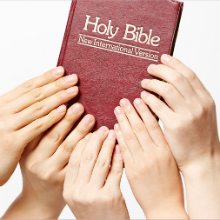
하나님을 아는 마음
1. 역사적 배경
“바빌론 왕 느부갓레살이 유다 왕 여호야김의 아들 여고니야와 유다의 통치자들과 목수들과 철공들을 예루살렘에서 포로로 사로잡아 바벨론으로 데려간 뒤에”(렘 24:1a)
-
예레미야 24장은 기원전 597년, 제2차 바벨론 포로 사건을 배경으로 합니다.
-
유다 왕국은 이미 바벨론의 속국이었고, 여호야긴 왕은 18세에 왕위에 올랐으나 석 달 만에 포로로 잡혀갔습니다.
-
바벨론은 왕족, 귀족, 제사장, 관리, 기술자 등 나라의 핵심 인물 약 만여 명을 이주시켰습니다.
→ 이는 하나님께 대한 불순종과 반역에 대한 징계였습니다. -
이후 바벨론은 시드기야를 왕으로 세워 유다를 다스리게 했습니다.
→ 유다는 포로로 잡혀간 자들과 예루살렘에 남은 자들로 나뉘게 되었으며, 예레미야는 두 집단의 운명을 대조하며 하나님의 뜻을 드러내십니다. -
회개하지 않은 유다는 시드기야의 반역으로 인해, 기원전 586년, 제3차 포로기에 예루살렘이 완전히 함락되고 성전과 성벽이 파괴되며, 유다 왕국은 완전한 멸망을 맞이합니다.
2. 상황적 배경 – 두 광주리의 비유
-
하나님께서는 예레미야에게 두 광주리를 보여주셨습니다.
→ 하나는 잘 익고 맛있는 좋은 무화과, 다른 하나는 썩어서 먹을 수 없는 나쁜 무화과였습니다.
1) 좋은 무화과
-
역사적으로 바벨론으로 포로로 끌려간 왕족, 귀족, 제사장, 기술자들(여호야긴 포함)을 상징합니다.
-
포로라는 고통 속에서도 하나님은 그들을 정결하게 하시고 새롭게 하시는 은혜로 회복시키셨습니다.
-
징계는 심판이 아니라, 하나님의 사랑 안에서 새롭게 빚어지는 과정이었습니다.
2) 나쁜 무화과
-
예루살렘에 남은 시드기야 왕, 제사장, 거짓 선지자, 형식적 신앙에 머문 백성을 상징합니다.
-
외형적 종교와 제의에 머물러 마음은 하나님과 멀어져 있었으며, 하나님은 그들을 심판하십니다.
3. 본문의 중심 메시지
-
포로된 자들은 하나님 안에서 새 마음을 받으며 언약 관계를 회복합니다.
-
예루살렘에 남은 자들은 겉모습 신앙에 만족했기에 심판을 받습니다.
-
참된 신앙은 하나님을 아는 마음에서 비롯됩니다.
4. 하나님을 아는 마음 (렘 24:7)
“내가 그들에게 한 마음을 주어 나를 알게 하리니 나는 그들의 하나님이 되고, 그들은 내 백성이 되리라”
하나님께서 주시는 마음
-
인간의 노력으로 얻는 것이 아니라, 하나님께서 친히 주시는 은혜의 선물입니다.
-
성령께서 마음을 열어 주실 때, 우리는 하나님을 인격적으로 체험할 수 있습니다.
“우리가 다 수건을 벗은 얼굴로 주의 영광을 바라보며, 주의 형상으로 변화되어… 주의 영광을 따라” (고후 3:18)
‘알다’(야다, יָדַע)의 의미
-
단순 지식이 아니라, 경험적·관계적 앎을 의미합니다.
-
하나님을 안다는 것은 그분과 함께 걷고, 사랑하며 순종하는 것을 포함합니다.
내면의 변화
-
하나님을 아는 마음은 삶을 변화시키며, 감사와 찬양이 흘러나오는 신앙으로 이어집니다.
“내 백성이 지식이 없으므로 망하는도다” (호 4:6)
“그러나 내가 주는 물을 마시는 자는 영원히 목마르지 아니하리니… 그 속에서 영생하도록 솟아나는 샘물이 되리라” (요 4:14)
5. 신약적 적용 – 새 언약과 성령 안에서 하나님을 아는 삶
1) 예레미야 31장: 하나님은 새 언약을 약속하셨습니다.
“보라, 날이 이를지라 내가 이스라엘 집과 유다 집과 새 언약을 세우리라” (렘 31:31, KJV)
-
하나님께서는 이스라엘과 유다에게 새 언약을 세우겠다고 약속하셨습니다.
-
이전 언약과는 달리, 마음에 새기고 인격적으로 하나님을 아는 관계를 의미합니다.
2) 히브리서 8장: 이 새 언약이 예수 그리스도 안에서 성취되었습니다.
“주께서 말씀하시되… 내가 새 언약을 세우리라” (히 8:8, KJV)
-
히브리서 저자는 예레미야서의 새 언약 약속을 인용하며, 예수 그리스도 안에서 성취되었음을 설명합니다.
-
예수님의 사역과 십자가의 죽음을 통해 우리는 하나님과의 새로운 관계를 맺게 됩니다.
3) 요한복음 4장: 성령을 통해 믿는 자의 심령 속에서 생수의 강이 흘러 하나님을 인격적으로 알게 됩니다.
“그러나 내가 주는 물을 마시는 자는 영원히 목마르지 아니하리니… 그 속에서 영생하도록 솟아나는 샘물이 되리라” (요 4:14, KJV)
-
예수님은 자신이 주는 물이 영생하도록 솟아나는 샘물이 될 것이라고 말씀하셨습니다.
-
이는 성령을 통해 믿는 자의 심령 속에서 하나님을 인격적으로 아는 경험을 의미합니다.
6. 적용 (Application)
1) 하나님은 결코 버리지 않으십니다
-
하나님은 사랑하는 자녀를 잠시 징계하실지라도, 결코 포기하지 않으십니다.
-
징계의 목적은 멸망이 아니라 회복이며, 연단 후에 더욱 귀하게 사용하십니다.
2) 고난 속에서 하나님을 깊이 아는 삶
-
포로된 자들처럼, 고난을 통해 하나님을 깊이 체험할 수 있습니다.
-
성령께서 마음을 새롭게 하실 때, 고난조차 은혜의 통로가 됩니다.
3) 참된 신앙의 모습
-
외형적 경건이나 제의적 행위가 아니라, 하나님과의 관계에서 비롯되는 신앙입니다.
-
고난 중에도 하나님을 찾고, 그분과 동행하며, 진심으로 사랑하는 삶이 하나님이 기뻐하시는 신앙입니다.
결론
-
예레미야 24장은 절망 가운데서도 소망을 주시는 하나님의 말씀입니다.
“내가 그들에게 한 마음을 주어 나를 알게 하리니”
-
오늘날 우리에게도 성령과 예수 그리스도를 통해 하나님을 인격적으로 아는 은혜가 주어집니다.
-
마음이 새로워지고 하나님과 동행하는 삶 속에서, 진정한 회복과 참된 신앙이 시작됩니다.
The Knowledge of God
1. Historical Background
“Then the king of Babylon, Nebuchadnezzar, carried away Jeconiah the king of Judah, and the princes of Judah, and the craftsmen and smiths, from Jerusalem to Babylon.” (Jeremiah 24:1a, KJV)
-
Jeremiah 24 is set against the backdrop of the second Babylonian captivity, 597 B.C.
-
The kingdom of Judah was already a vassal state under Babylon. King Jeconiah, the son of Jehoiakim, ascended the throne at eighteen but ruled only three months before being taken captive.
-
Babylon deported the royal family, nobles, priests, administrators, and skilled workers—about ten thousand people—to Babylon.
→ This was a judgment from God for disobedience and rebellion. -
Afterwards, Babylon set Zedekiah (originally Mattaniah) as king over Judah.
→ Judah was divided into those taken into captivity and those who remained in Jerusalem, and Jeremiah contrasted their fates to reveal God’s purposes. -
Because Judah did not repent and Zedekiah rebelled, in 586 B.C., the third captivity, Jerusalem was completely destroyed, the temple and walls burned, and the kingdom of Judah faced total destruction.
2. Situational Background – The Two Baskets of Figs
-
God showed Jeremiah two baskets of figs:
→ One basket contained very good figs, the other very bad, rotten figs.
1) The Good Figs
-
Historically, these represent the royal family, nobles, priests, and skilled workers (including Jeconiah) taken into Babylon.
-
Though they suffered captivity, God purified and renewed them, using discipline as a means of grace.
-
Judgment was not abandonment, but a process of being shaped in God’s love.
2) The Bad Figs
-
These represent Zedekiah, the priests, false prophets, and the outwardly religious in Jerusalem.
-
Though their rituals continued, their hearts were far from God, and they faced judgment.
3. The Central Message of the Text
-
The exiles received a new heart and a restored covenant relationship with God.
-
Those remaining in Jerusalem, satisfied with outward religiosity, faced judgment.
-
True faith originates in a heart that knows God.
4. Knowing God (Jeremiah 24:7)
“And I will give them an heart to know me, that I am the LORD: and they shall be my people, and I will be their God.” (Jeremiah 24:7, KJV)
God Gives the Heart
-
Knowing God is not obtained by human effort, but given by God’s grace.
-
When the Spirit opens our hearts, we can personally experience and know God.
“But we all, with open face beholding as in a glass the glory of the Lord, are changed into the same image from glory to glory, even as by the Spirit of the Lord.” (2 Corinthians 3:18, KJV)
‘To Know’ (Yada, יָדַע)
-
The Hebrew yada refers to experiential, relational knowledge, not mere intellectual understanding.
-
To know God means walking with Him, loving Him, and obeying Him.
Inner Transformation
-
A heart that knows God transforms the whole life, producing gratitude and praise.
“My people are destroyed for lack of knowledge…” (Hosea 4:6, KJV)
“But whosoever drinketh of the water that I shall give him shall never thirst; but the water that I shall give him shall be in him a well of water springing up into everlasting life.” (John 4:14, KJV)
5. New Testament Application – Knowing God Through the New Covenant and the Spirit
1) Jeremiah 31: God Promises a New Covenant
“Behold, the days come, saith the LORD, that I will make a new covenant with the house of Israel, and with the house of Judah.” (Jeremiah 31:31, KJV)
-
God promised to establish a new covenant with Israel and Judah.
-
This covenant emphasizes God’s law written on the heart and an intimate, personal knowledge of God.
2) Hebrews 8: The New Covenant Fulfilled in Jesus Christ
“For finding fault with them, he saith, Behold, the days come, saith the Lord, when I will… make a new covenant with the house of Israel and with the house of Judah.” (Hebrews 8:8, KJV)
-
The author of Hebrews shows that the new covenant is fulfilled in Jesus Christ.
-
His ministry and sacrifice enable believers to enter a restored, personal relationship with God.
3) John 4: The Living Water and Experiential Knowledge of God
“But whosoever drinketh of the water that I shall give him shall never thirst; but the water that I shall give him shall be in him a well of water springing up into everlasting life.” (John 4:14, KJV)
-
Jesus promised that the water He gives becomes a well of living water, springing up to eternal life.
-
This symbolizes the work of the Holy Spirit in believers, allowing them to personally know God and enjoy intimate fellowship with Him.
6. Application
1) God Never Abandons His People
-
God may discipline His children, but He never forsakes them.
-
Discipline is for restoration, preparing them for greater use in His purposes.
2) Knowing God Deeply Through Trials
-
Like the exiles, trials can lead us to experience God more deeply.
-
When the Spirit renews our hearts, even suffering becomes a channel of grace.
3) The Nature of True Faith
-
True faith is relational, not ritualistic or superficial.
-
It seeks God, walks with Him, and loves Him sincerely, even in adversity.
Conclusion
-
Jeremiah 24 reveals God’s hope amid despair:
“I will give them an heart to know me.” (Jeremiah 24:7, KJV)
-
Today, through the Holy Spirit and Jesus Christ, we too can personally experience God.
-
A renewed heart leads to true restoration and authentic faith.