

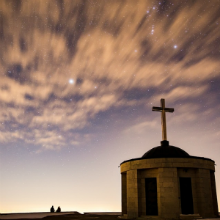



“내 고난의 날에”
시인이 겪는 고난
- “내가 고난 당할 때에”
- “밤에는 내 손을 들고 거두지 아니하였다”
- “내 영혼이 위로받기를 거절하였다”
- “내가 하나님을 기억하고 불안하여 근심하며 내 심령이 상하였다” (v.3)
- “주께서 내 눈을 붙이지 못하게 하셨으므로 말할 수 없을 정도로 괴로웠다” (v.4)
‘거절하다’의 의미
히브리어 원어 ‘마아스’(מָאַס)는 ‘거부하다’, ‘싫어하다’, ‘더 이상 받아들이지 않다’는 뜻입니다.
시편 77:2의 “내 영혼이 위로받기를 거절하였도다”는 단순히 위로가 없던 상태가 아니라, 깊은 절망 속에서 위로조차 받아들일 수 없었던 심정을 나타냅니다. 이는 영혼이 무기력하고 메마른 상태임을 보여줍니다.
시인은 밤새 간절히 기도했으나 마음은 무너져 위로를 받아들이지 못했습니다. 이 고백은 극한 고통 속에서도 하나님을 붙드는 신앙의 애절함을 보여줍니다.
2. “이것이 나의 연약함이라”
시인의 연약함
- “주께서 영원히 버리실까?”
- “다시는 은혜를 베풀지 아니하실까?”
- “그의 인자하심이 영원히 끝났는가?”
- “그가 긍휼히 여기심을 거두셨는가?”
- “하나님이 노하사 그의 긍휼을 잊으셨는가?” (v.7–9)
이 질문들은 믿음이 흔들리는 내면의 독백이며, 하나님의 성품조차 의심하는 믿음의 연약함을 보여줍니다.
절망 속에서 시인은 마침내 고백합니다:
“이것이 나의 연약함이라.”
이는 “하나님이 문제가 아니라 나의 시선과 해석이 무너진 것”이라는 믿음의 전환점입니다.
3. “내가 여호와께서 행하신 일들을 기억하리니”
구속하신 하나님: 야곱과 요셉의 자손을 위한 역사
“주의 팔로 주의 백성 곧 야곱과 요셉의 자손을 구속하셨나이다.” (v.15)
자연도 떨게 한 하나님의 권능
- “하나님이여 물들이 주를 보았나이다. 물이 주를 보고 두려워하며 깊음도 진동하였고” (v.16)
- “구름이 물을 쏟고 궁창이 소리를 내며 주의 화살도 날아갔나이다.” (v.17)
- “회오리바람 중에 주의 우렛소리가 있으며 번개가 세계를 비추며 땅이 흔들리고 움직였나이다.” (v.18)
인도하시는 하나님
“주의 길이 바다에 있었고 주의 고른 길이 큰 물에 있었으나 주의 발자취를 알 수 없었나이다.” (v.19)
“주는 주의 백성을 모세와 아론의 손으로 양 떼 같이 인도하셨나이다.” (v.20)
적용
고난의 날에 믿음이 흔들리는 것은 현실입니다. 그러나 아무리 고난 중이라도 하나님의 은혜를 부인하지 않는 것은 참된 성도의 증거입니다. 이때 시인은 다시 말씀으로 돌아갑니다. 우리도 성경을 꺼내 한 구절씩이 아니라, 하나님께서 행하신 다양한 일들과 그분의 품성을 성경 전체에서 묵상해야 합니다.
결론
고난과 연약함 가운데서도 하나님을 기억하고 신뢰할 때 믿음은 회복됩니다. 말씀 속에서 하나님이 얼마나 신실하시고 능력 있으신지 묵상하며, 고난 속에서도 그분의 인도하심을 붙드는 참된 신앙을 배우게 됩니다. 그러므로 어려울 때일수록 성경을 가까이하며 하나님의 위로와 능력을 경험하기를 권합니다.
1. "In the Day of My Trouble"
The Sufferings of the Psalmist
- "In the day of my trouble"
- "I sought the Lord, and cried unto him: yea, I prayed unto him, and he was heard of me." (Psalm 77:1, KJV)
- "I think upon God, and am troubled: I commune with the dead." (Psalm 77:3, KJV)
- "I call to remembrance my song in the night: I commune with mine own heart: and my spirit made diligent search." (Psalm 77:6, KJV)
- "Thou holdest mine eyes waking: I am so troubled that I cannot speak." (Psalm 77:4, KJV)
The Meaning of 'Refuse'
The Hebrew original word ‘ma'as’ (מָאַס) means “to reject,” “to refuse,” or “to no longer accept.”
Psalm 77:2, "My soul refused to be comforted," does not simply mean there was no comfort, but rather expresses a deep despair in which even comfort was rejected. It shows a soul that is weak and dry.
The psalmist prayed earnestly all night but his heart was broken and could not accept comfort. This confession reveals the anguished faith that clings to God even amid extreme suffering.
2. "This Is My Weakness"
The Psalmist’s Weakness
- "Will the Lord cast off for ever? and will he be favourable no more?" (Psalm 77:7, KJV)
- "Is his mercy clean gone for ever? doth his promise fail for evermore?" (Psalm 77:8, KJV)
- "Hath God forgotten to be gracious? hath he in anger shut up his tender mercies?" (Psalm 77:9, KJV)
These questions express an inner dialogue of shaken faith, even doubting God's nature.
In despair, the psalmist finally confesses:
“This is my weakness.”
This marks a turning point in faith — realizing that God is not the problem, but his own perception and interpretation have failed.
3. "I Will Remember the Works of the LORD"
The Redeeming God: History of Jacob and Joseph’s Descendants
"The LORD’s right hand is become glorious in power: the LORD’s right hand hath dashed in pieces the enemy." (Psalm 77:15, KJV)
God’s Power That Even Made Nature Tremble
- "I will remember the works of the LORD: surely I will remember thy wonders of old." (Psalm 77:11, KJV)
- "The waters saw thee, O God, the waters saw thee; they were afraid: the depths also were troubled." (Psalm 77:16, KJV)
- "The clouds poured out water: the skies sent out a sound: thine arrows also went abroad." (Psalm 77:17, KJV)
- "The voice of thy thunder was in the heaven: the lightnings lightened the world: the earth trembled and shook." (Psalm 77:18, KJV)
God Who Leads
"Thy way is in the sea, and thy path in the great waters, and thy footsteps are not known." (Psalm 77:19, KJV)
"Thou leddest thy people like a flock by the hand of Moses and Aaron." (Psalm 77:20, KJV)
Application
It is a reality that faith can be shaken on days of trouble. Yet, no matter how severe the hardship, refusing to deny God's grace is the mark of a true believer. At such times, the psalmist returns to God's Word. Likewise, we must open the Bible not just to a single verse, but meditate on the many works God has done and His character throughout Scripture.
Conclusion
When we remember and trust God amid hardship and weakness, our faith is restored. Meditating on the faithfulness and power of God in His Word teaches us to hold on to His guidance even in suffering. Therefore, especially in difficult times, we are encouraged to draw near to Scripture to experience God’s comfort and strength.